Flip Up Helmets
 Integral helmets
 Cross helmets
 Open face helmets
 Children's helmets
 Helmets with intercom
 Glazing and parts
 Google
 Intercoms
 Boosters
 Bicycle helmets with intercom
 Gloves
 Mantels
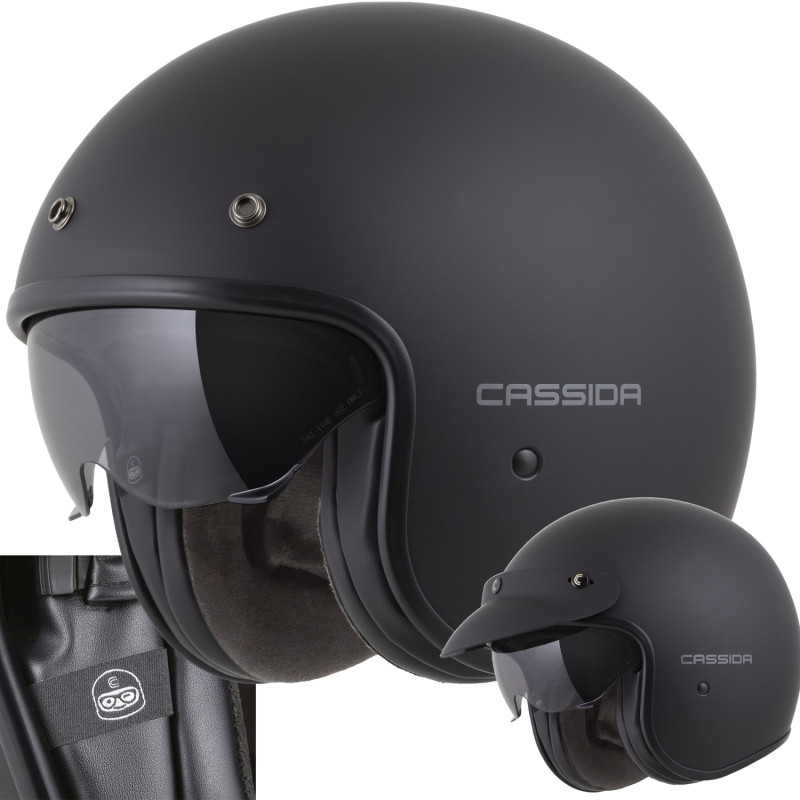


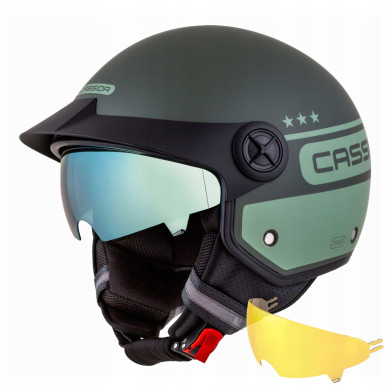
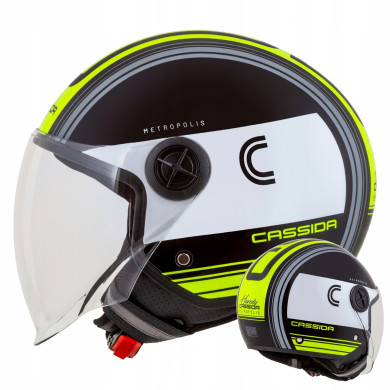
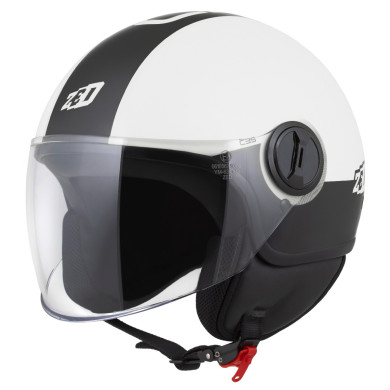
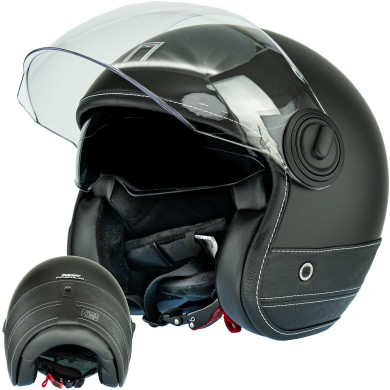
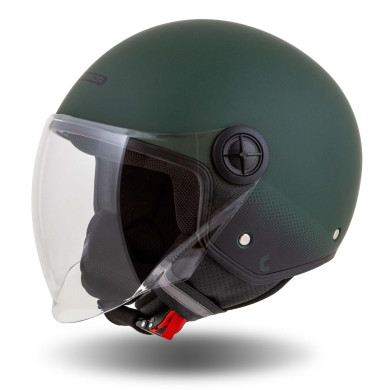
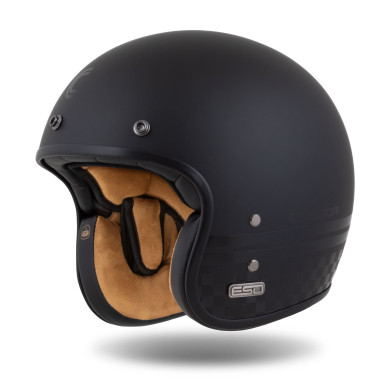
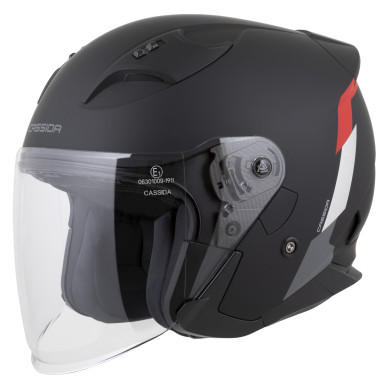
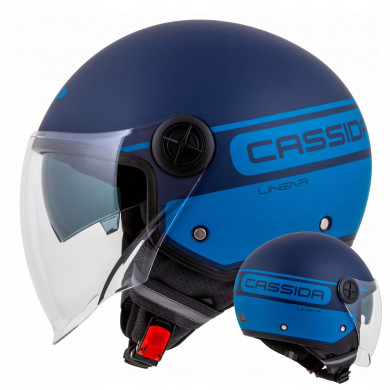
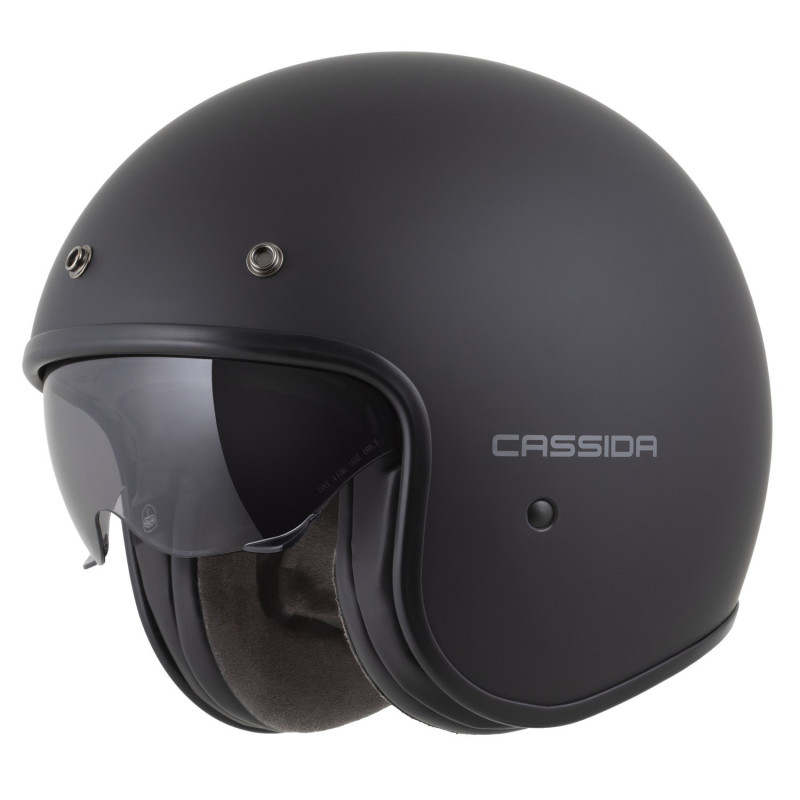
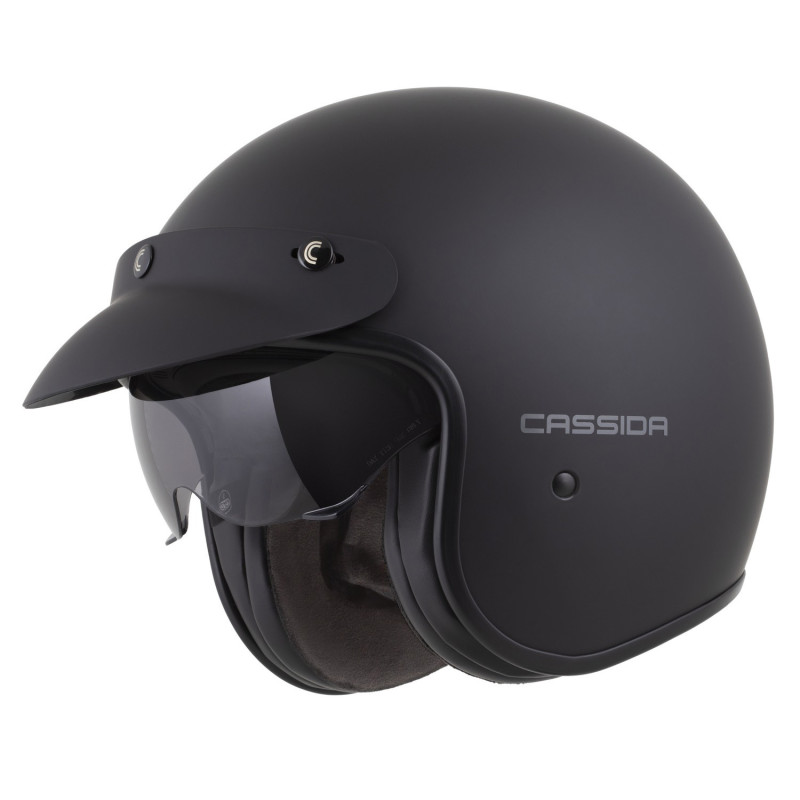
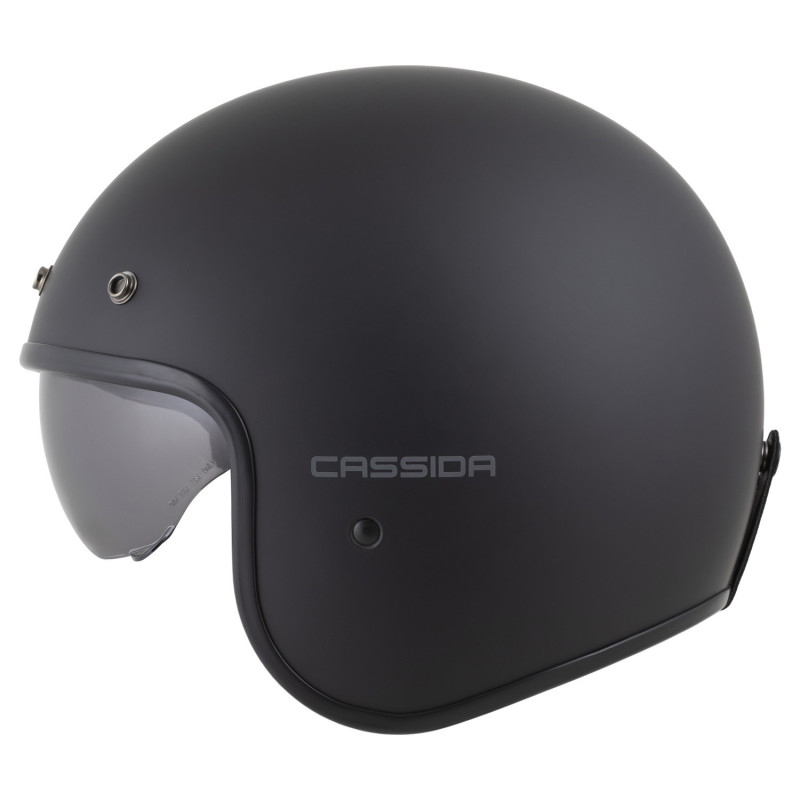
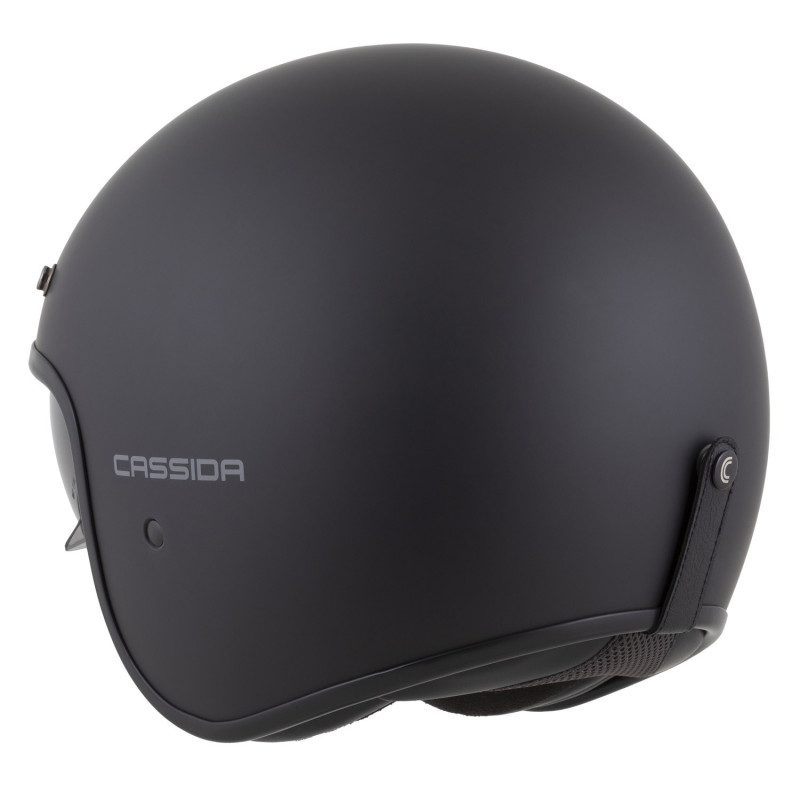
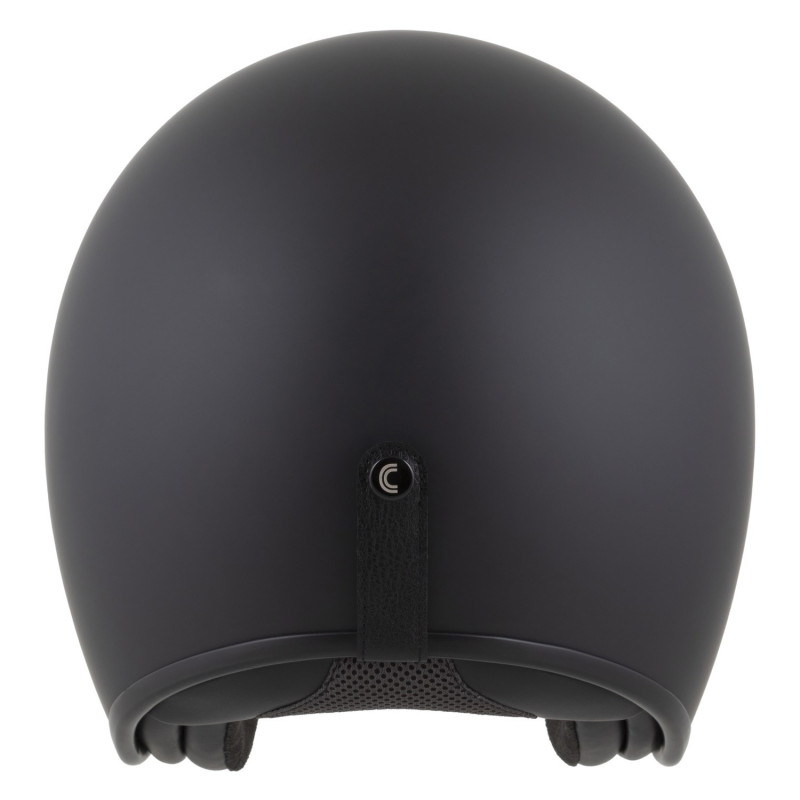
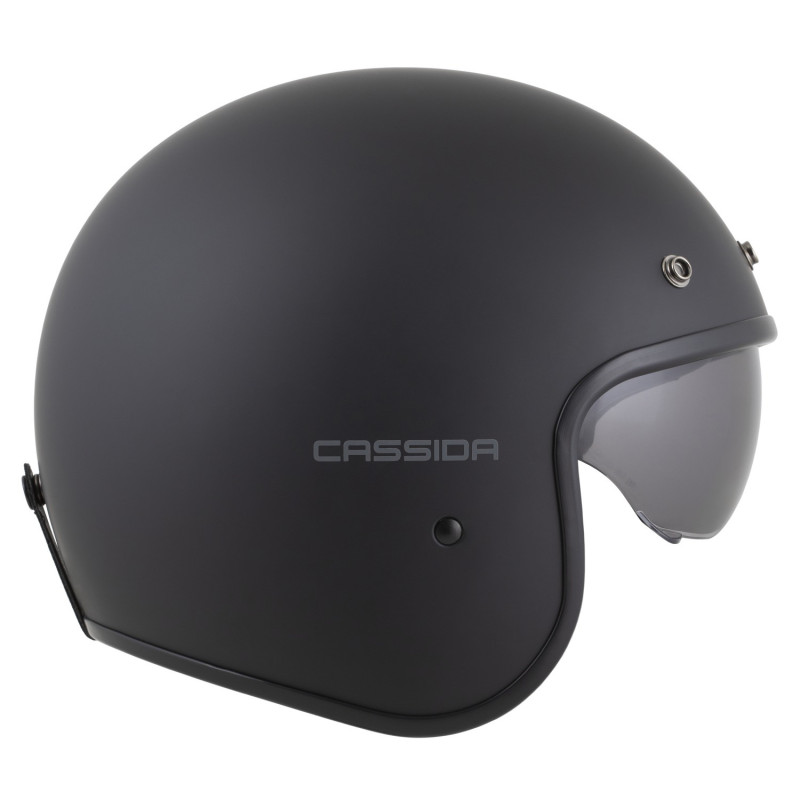
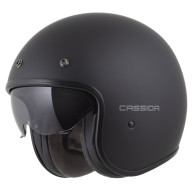
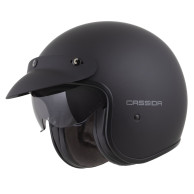
CASSIDA OXYGEN 2.0 – Open-Face Helmet ECE 22.06 Approved
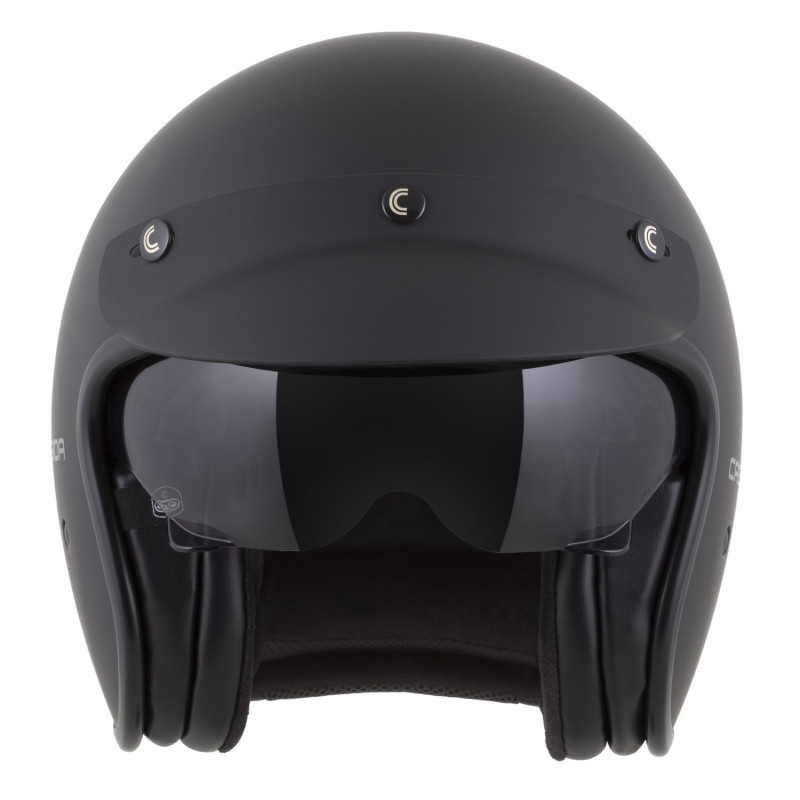
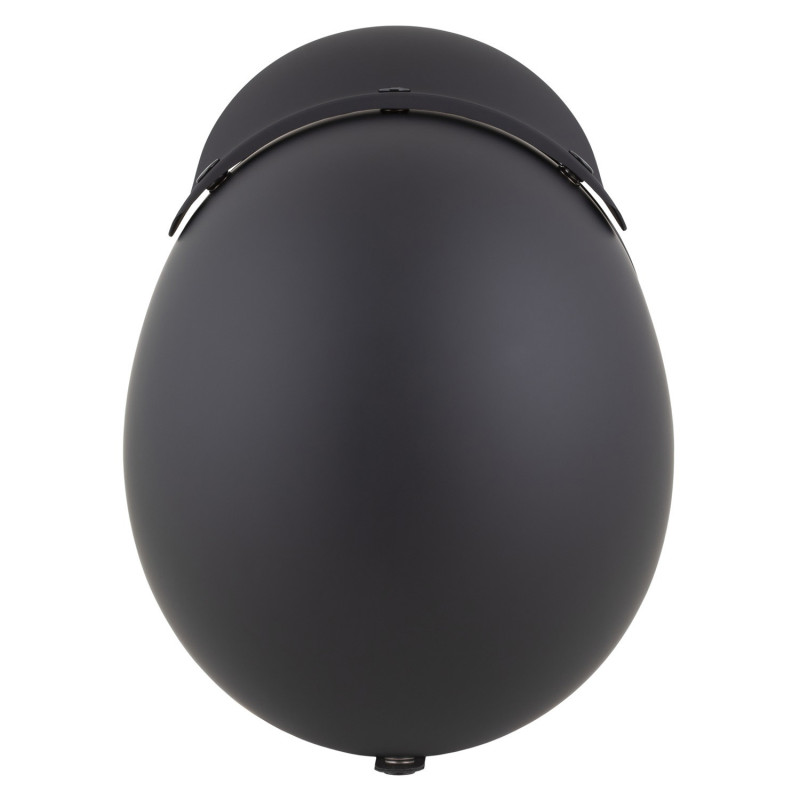
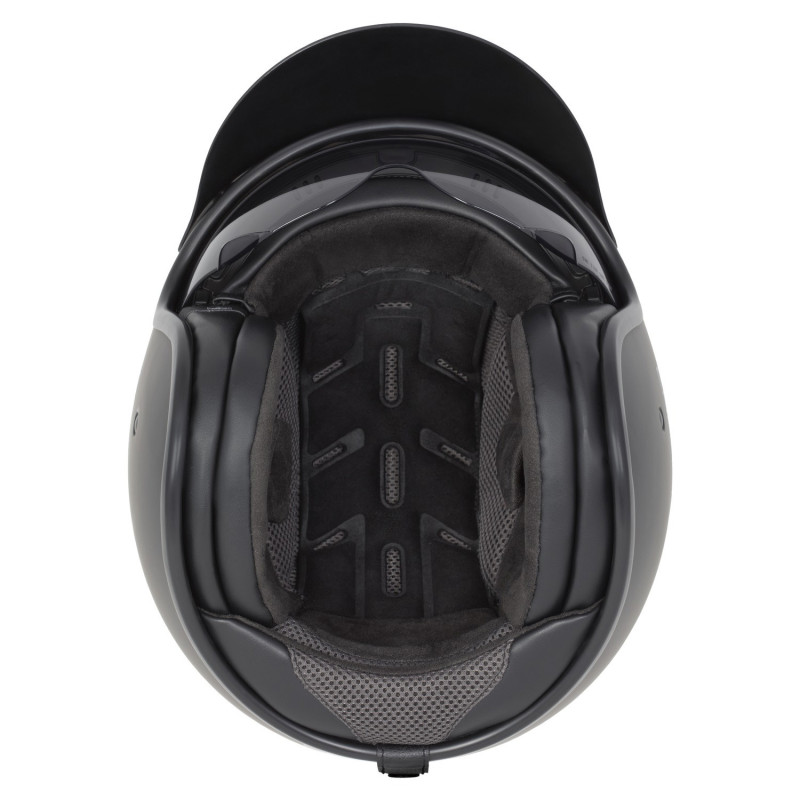
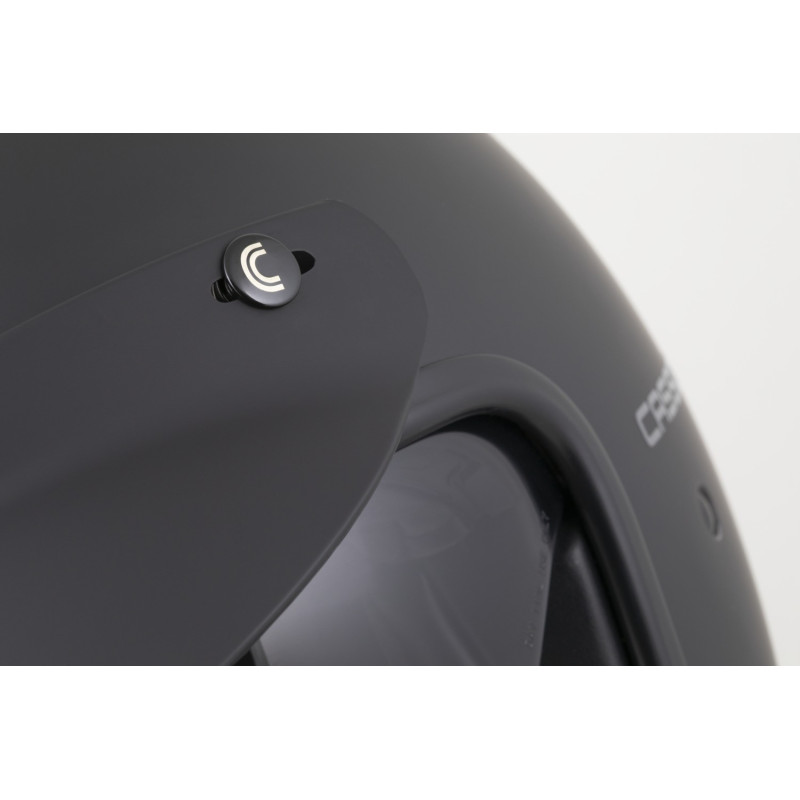
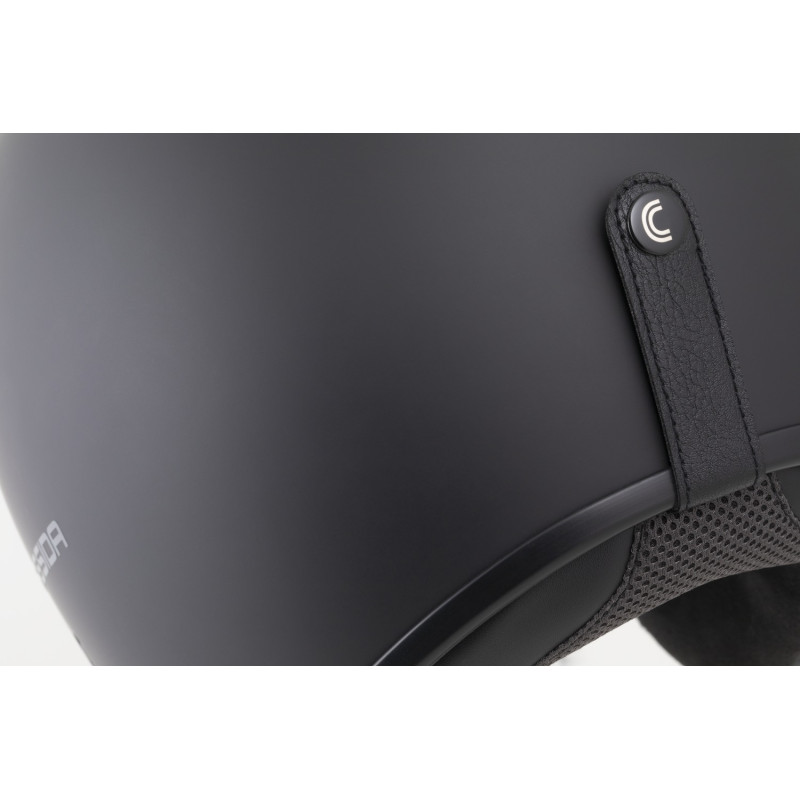
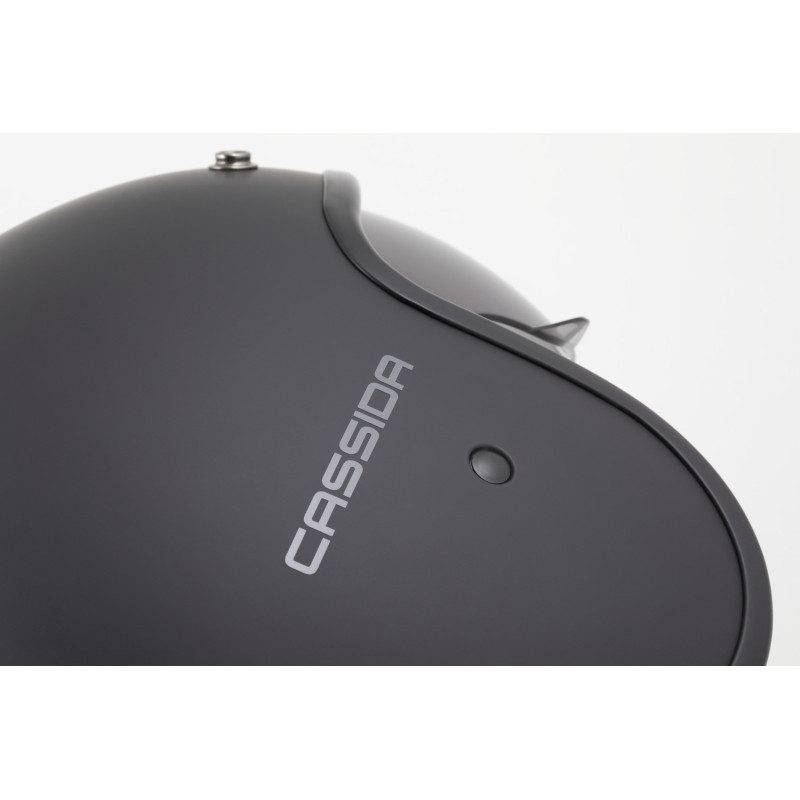
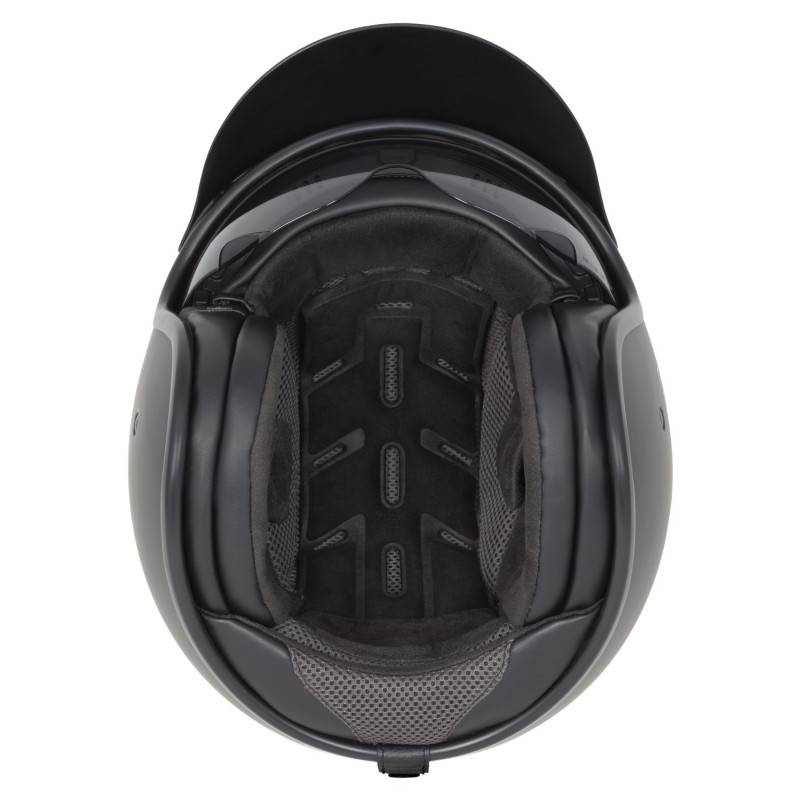
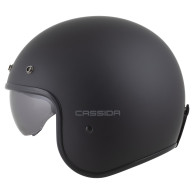
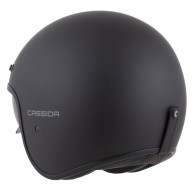
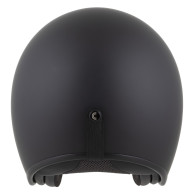
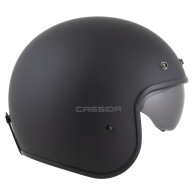
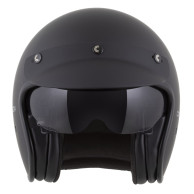
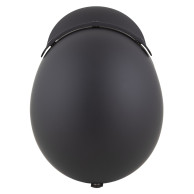
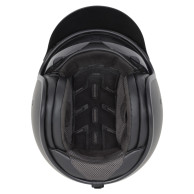
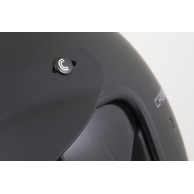
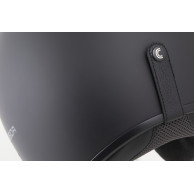
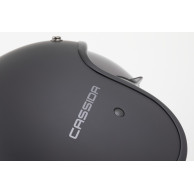
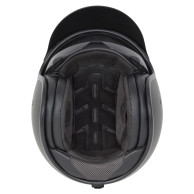
Construction:
Polycarbonate outer shell
EPS polystyrene inner core
Integrated sun visor
Rubberized shell trim
Faux leather strap for goggle retention at the rear
Safety:
Micrometric buckle strap closure
Certified ECE 22.06.J
Main features:
Fully removable and washable polyester lining
Two shell sizes, three EPS core sizes
Removable short peak included
Weight: 1230 g ±50 g
Product compliance details: Manufacturer and person responsible for the product
Product safety
Manufacturer
Responsible person
* Selection and fit: The helmet only protects when properly fitted and fastened. Measure your head circumference and choose the correct size. Always fasten and tighten the chin strap.
* Protection range: The helmet only protects the head within the limits of the ECE 22.06 standard for the given type (J/P/PJ).
Does not protect other parts of the body.
* After impact: Any strong impact or fall can damage the helmet, even without cracking. Replace the helmet immediately after such an incident.
* Modifications: Do not drill, paint with aggressive paints, or attach hard accessories without the manufacturer's consent. This may reduce protection and invalidate approvals.
* Accessories and Intercom: Install only manufacturer-approved accessories (intercom, visors, Pinlock). Unauthorized additions may impair the helmet's operation.
* Visor/Blind: Use a clear visor in dark conditions and in poor visibility. Replace a scratched visor.
* Antifog/Pinlock: Clean only with soft microfiber and lukewarm water - no alcohol or scrubbing.
* Ventilation and Defogging: In rainy/cold weather, adjust the ventilation according to the instructions. Don't drive with a fogged-up windshield - stop and clear it.
* Life Limitations: Do not use the helmet for activities for which it is not intended (off-road/track/bicycle), unless the manufacturer indicates otherwise.
* Glasses: Make sure the temples do not interfere with the fit of the helmet.
* Children: Make sure the child is the correct size and can hold their head steady.
* Temperature and Chemicals: Avoid >50°C (e.g., sun under a car windshield) and frost for long periods.
Keep away from fuels, oils, and solvents.
* Maintenance: Hand wash in lukewarm water with a mild detergent. Dry at room temperature, not on a radiator.
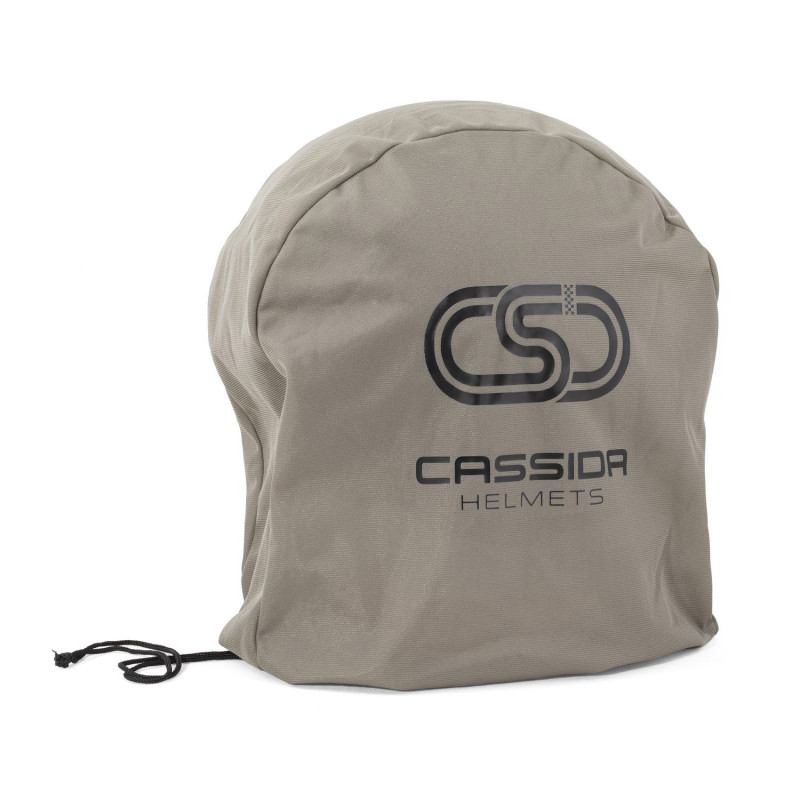
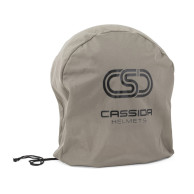
* Storage and transport: Store in a cool, dry place, away from UV radiation. Transport in a cover; do not overload the helmet.
* Lifespan: Recommended helmet replacement every 5-7 years from first use, even without an accident (or according to the manufacturer's recommendations).
* Visibility: Consider reflectors or lighter paint for better visibility.
* Noise: The helmet does not completely eliminate noise. Use earplugs to protect your hearing.
* Blind spots: Be aware of restricted field of vision. Check your blind spots.
* Speed and stability: At high speeds, keep your visor closed and your helmet properly fastened.
* Use in rain/cold conditions: Wet straps may slip more - check the tightness after starting.
* Defects/complaints: In the event of cracks, looseness, or mechanical failures - discontinue use and contact service.
* Instructions and labels: Read the instructions. Do not remove homologation labels and serial numbers - they may be needed for service or safety recalls.
* Safety contact: [EU Responsible Entity / Importer: contact details].
Report serious incidents in accordance with local law.

0
(0 Reviews)
Select a row below to filter reviews.
No customer reviews for the moment.