Flip Up Helmets
 Integral helmets
 Cross helmets
 Open face helmets
 Children's helmets
 Helmets with intercom
 Glazing and parts
 Google
 Intercoms
 Boosters
 Bicycle helmets with intercom
 Gloves
 Mantels


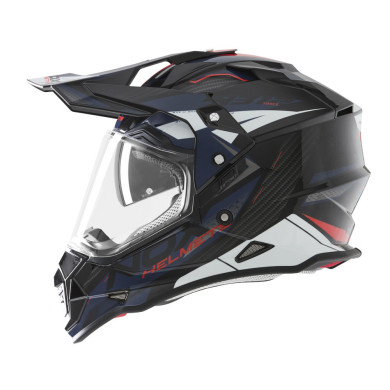
copy of KASK NOX N312 CZARNY MAT + Kominiarka


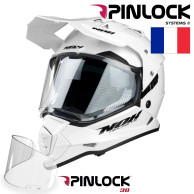
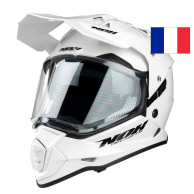
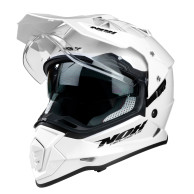
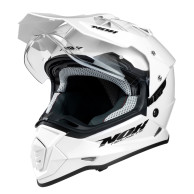
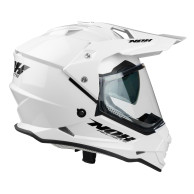
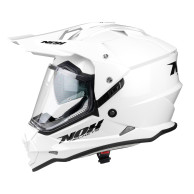
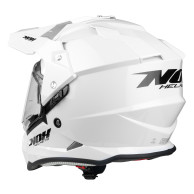
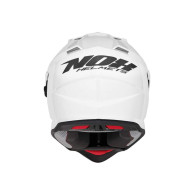
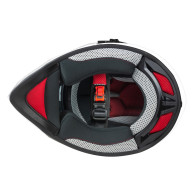
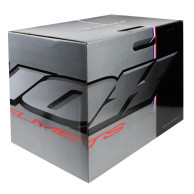
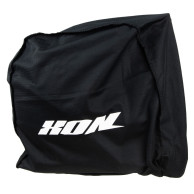
- ECE approval22.05.
- Polycarbonate shell
- Helmet weight ±1630 g
- PINLOCK 30 included
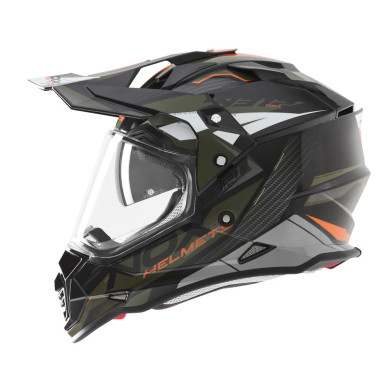
The N312 enduro helmet is a touring helmet with a sun visor and shield, made from a polycarbonate shell using highly durable materials.
**Shell:**
- Polycarbonate shell
- The shape of the lower part of the shell is optimised as a partial replacement for a neck guard.
- Fastened with a micrometric buckle.
- Detachable visor.
- Helmet weight ±1630 g
- ECE approval22.05.
**Visor:**
- Internal sun visor with side control.
- Transparent visor with Pinlock® film preparation.
- Anti-fog visor coating.
**Ventilation:**
- Ventilation system for optimal air circulation.
- Ventilation in the chin area, upper part of the helmet and rear.
- Ventilation can be easily controlled while wearing gloves.
**Interior:**
- Fully removable and washable comfort lining.
- Chin guard and nose guard.
Product compliance details: Manufacturer and person responsible for the product
Product safety
Manufacturer
Responsible person
* Selection and fit: The helmet only protects when properly fitted and fastened. Measure your head circumference and choose the correct size. Always fasten and tighten the chin strap.
* Protection range: The helmet only protects the head within the limits of the ECE 22.06 standard for the given type (J/P/PJ).
Does not protect other parts of the body.
* After impact: Any strong impact or fall can damage the helmet, even without cracking. Replace the helmet immediately after such an incident.
* Modifications: Do not drill, paint with aggressive paints, or attach hard accessories without the manufacturer's consent. This may reduce protection and invalidate approvals.
* Accessories and Intercom: Install only manufacturer-approved accessories (intercom, visors, Pinlock). Unauthorized additions may impair the helmet's operation.
* Visor/Blind: Use a clear visor in dark conditions and in poor visibility. Replace a scratched visor.
* Antifog/Pinlock: Clean only with soft microfiber and lukewarm water - no alcohol or scrubbing.
* Ventilation and Defogging: In rainy/cold weather, adjust the ventilation according to the instructions. Don't drive with a fogged-up windshield - stop and clear it.
* Life Limitations: Do not use the helmet for activities for which it is not intended (off-road/track/bicycle), unless the manufacturer indicates otherwise.
* Glasses: Make sure the temples do not interfere with the fit of the helmet.
* Children: Make sure the child is the correct size and can hold their head steady.
* Temperature and Chemicals: Avoid >50°C (e.g., sun under a car windshield) and frost for long periods.
Keep away from fuels, oils, and solvents.
* Maintenance: Hand wash in lukewarm water with a mild detergent. Dry at room temperature, not on a radiator.
* Storage and transport: Store in a cool, dry place, away from UV radiation. Transport in a cover; do not overload the helmet.
* Lifespan: Recommended helmet replacement every 5-7 years from first use, even without an accident (or according to the manufacturer's recommendations).
* Visibility: Consider reflectors or lighter paint for better visibility.
* Noise: The helmet does not completely eliminate noise. Use earplugs to protect your hearing.
* Blind spots: Be aware of restricted field of vision. Check your blind spots.
* Speed and stability: At high speeds, keep your visor closed and your helmet properly fastened.
* Use in rain/cold conditions: Wet straps may slip more - check the tightness after starting.
* Defects/complaints: In the event of cracks, looseness, or mechanical failures - discontinue use and contact service.
* Instructions and labels: Read the instructions. Do not remove homologation labels and serial numbers - they may be needed for service or safety recalls.
* Safety contact: [EU Responsible Entity / Importer: contact details].
Report serious incidents in accordance with local law.

0
(0 Reviews)
Select a row below to filter reviews.
No customer reviews for the moment.
- ECE approval22.05.
- Polycarbonate shell
- Helmet weight ±1630 g
- PINLOCK 30 included