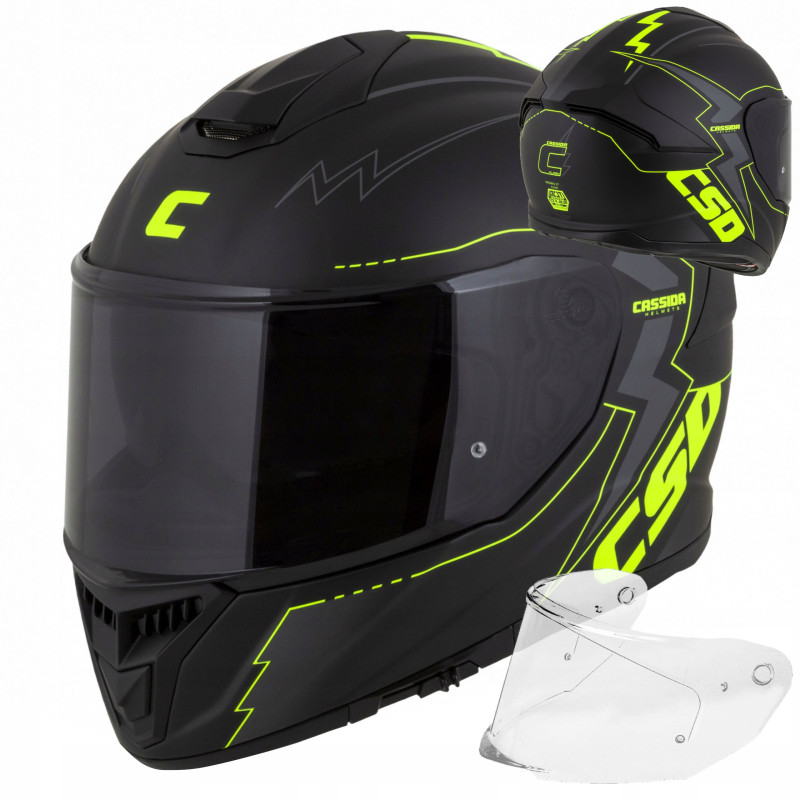
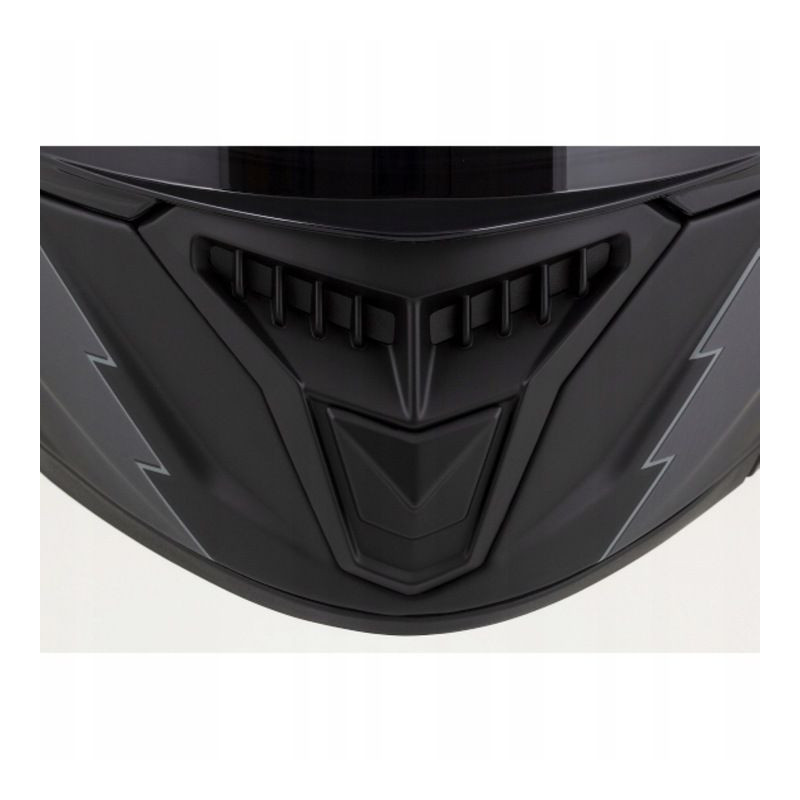
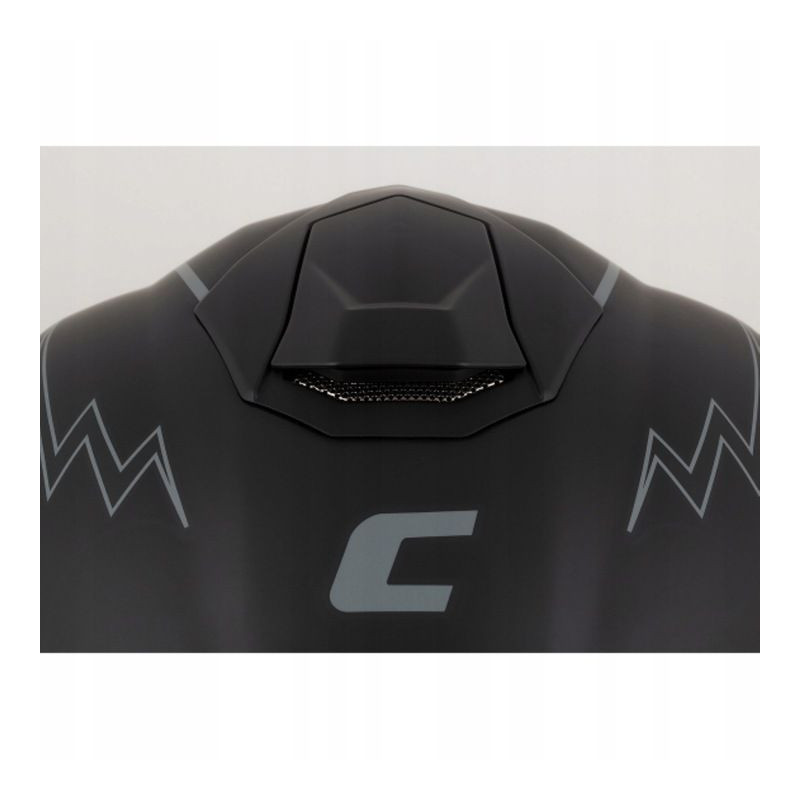
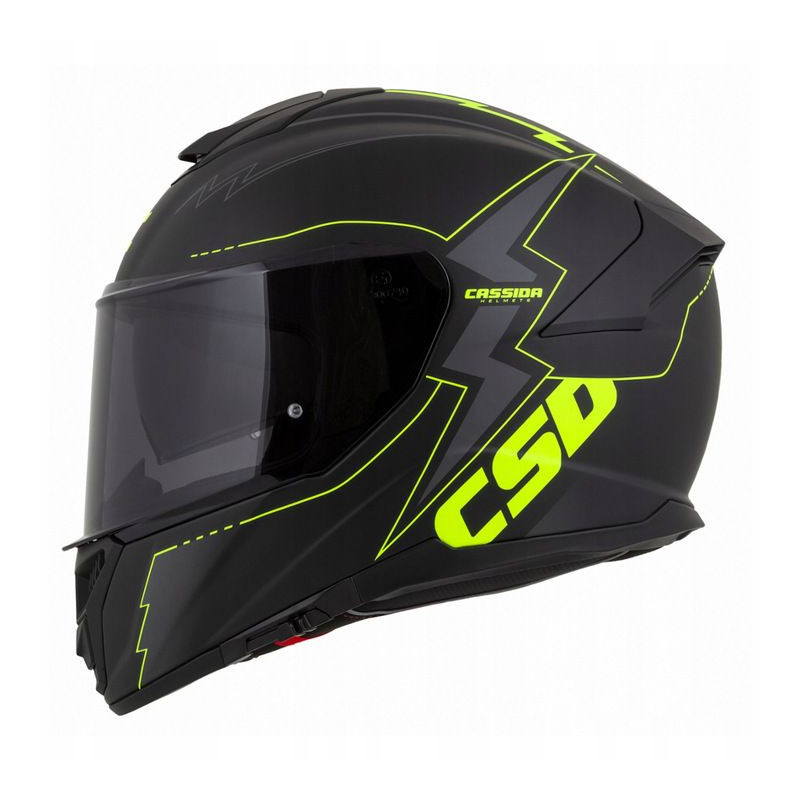
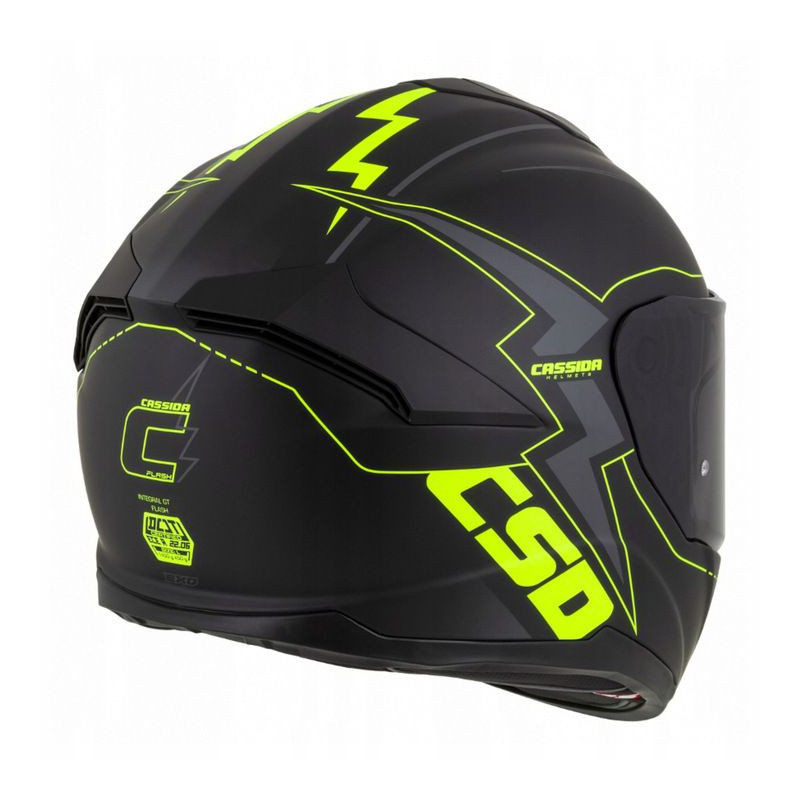
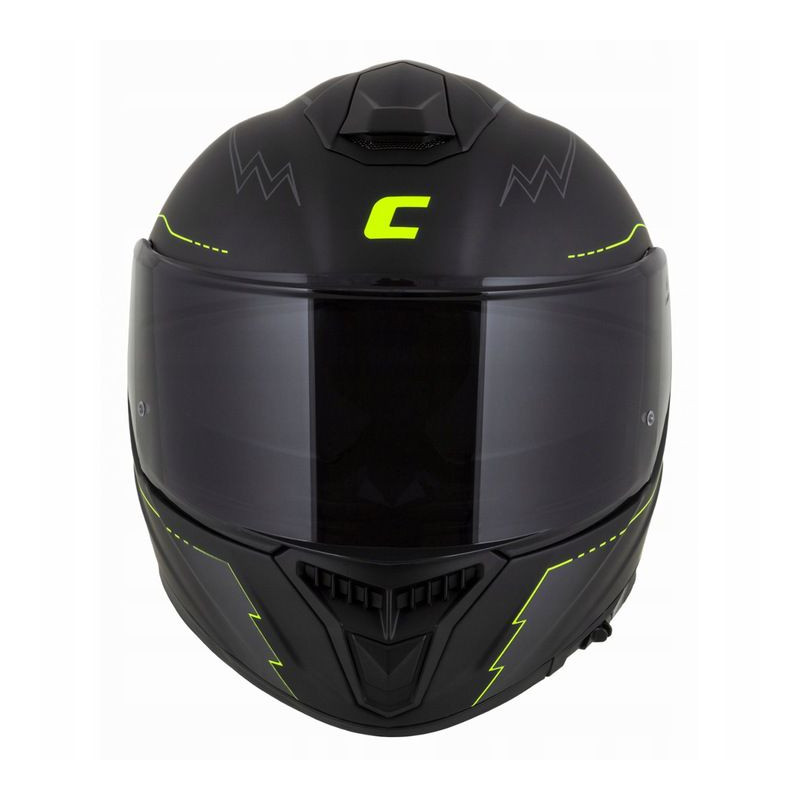
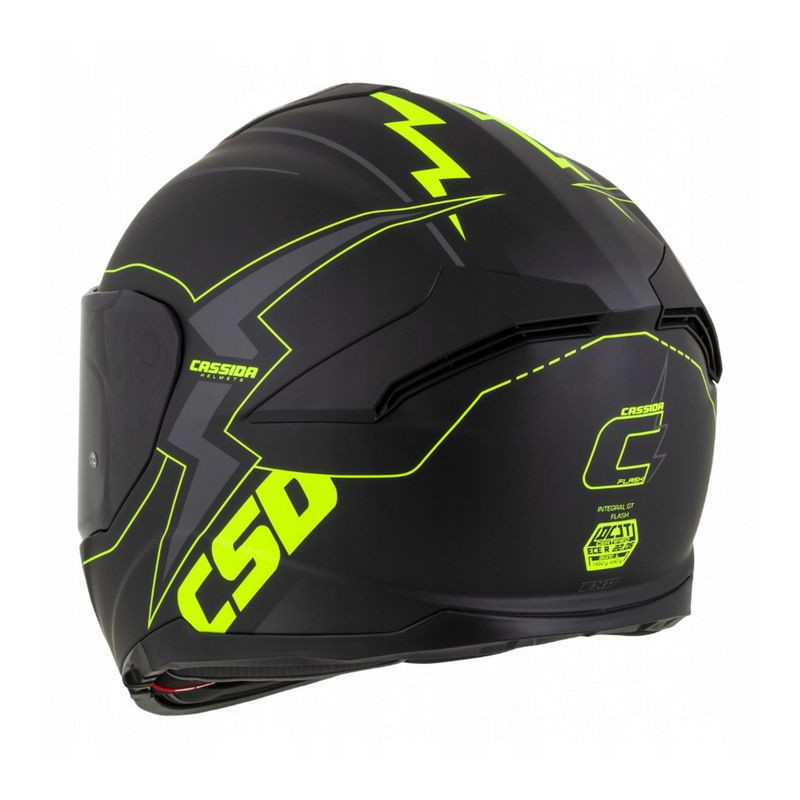
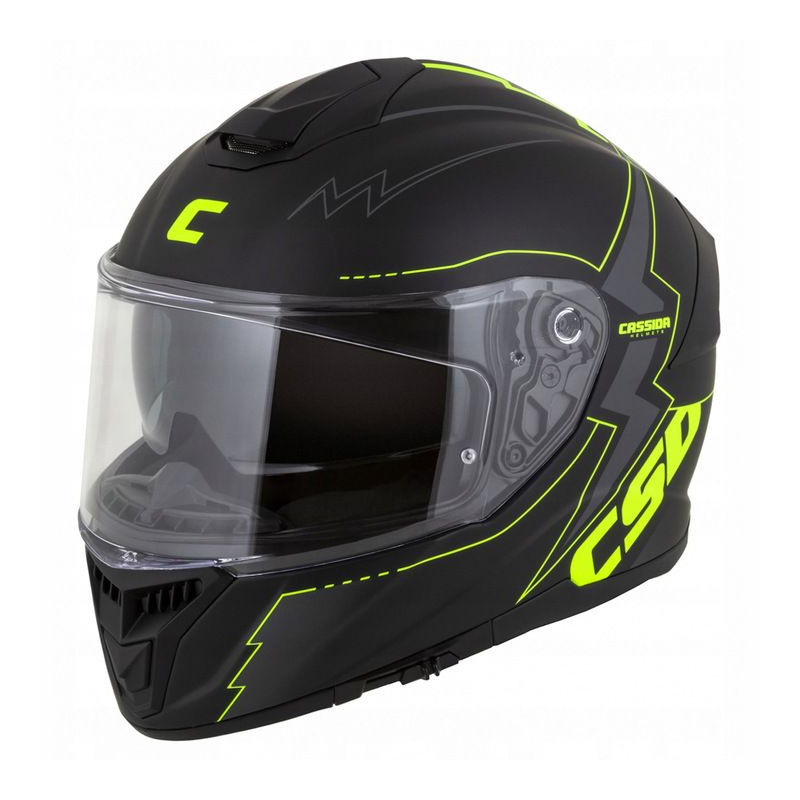
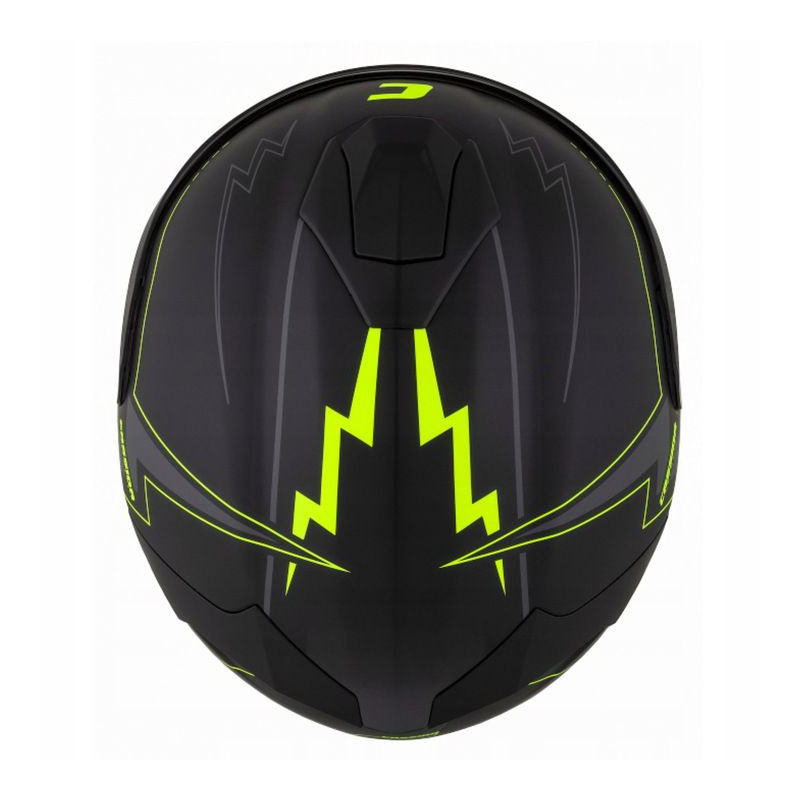
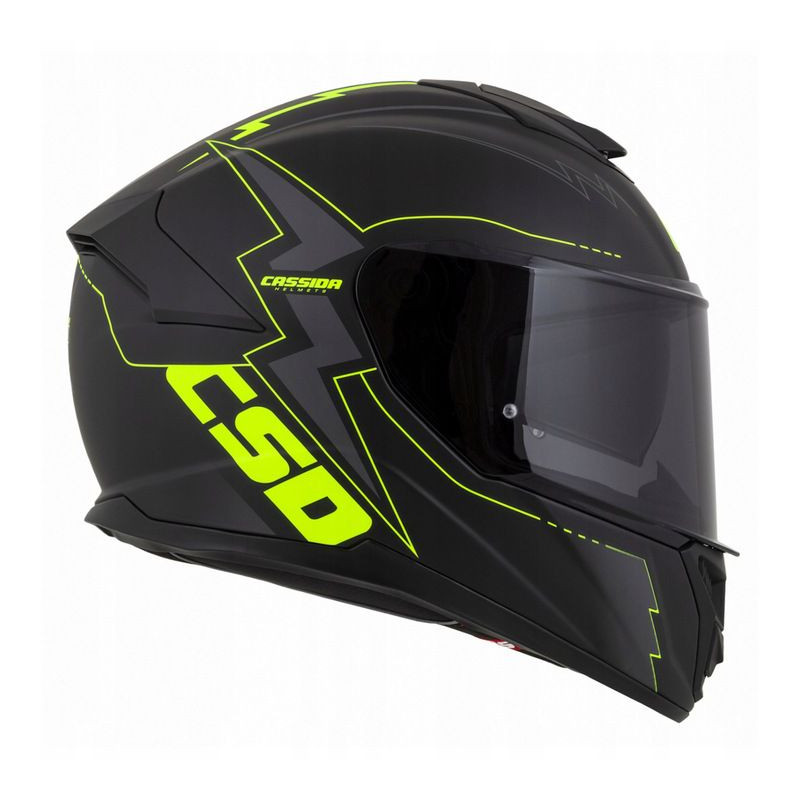
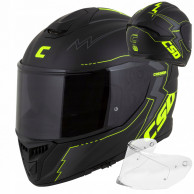
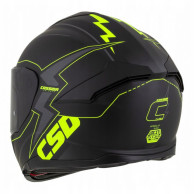
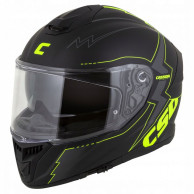
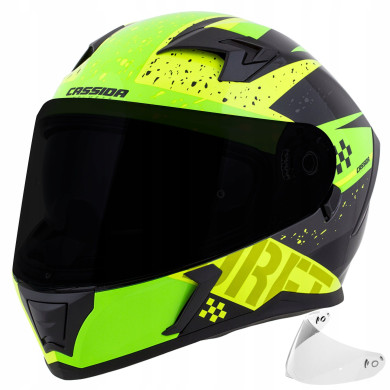
- Fibreglass shell with fibres bonded using epoxy putty, reinforced with composite fibres in areas exposed to mechanical stress, such as the strap bracket.
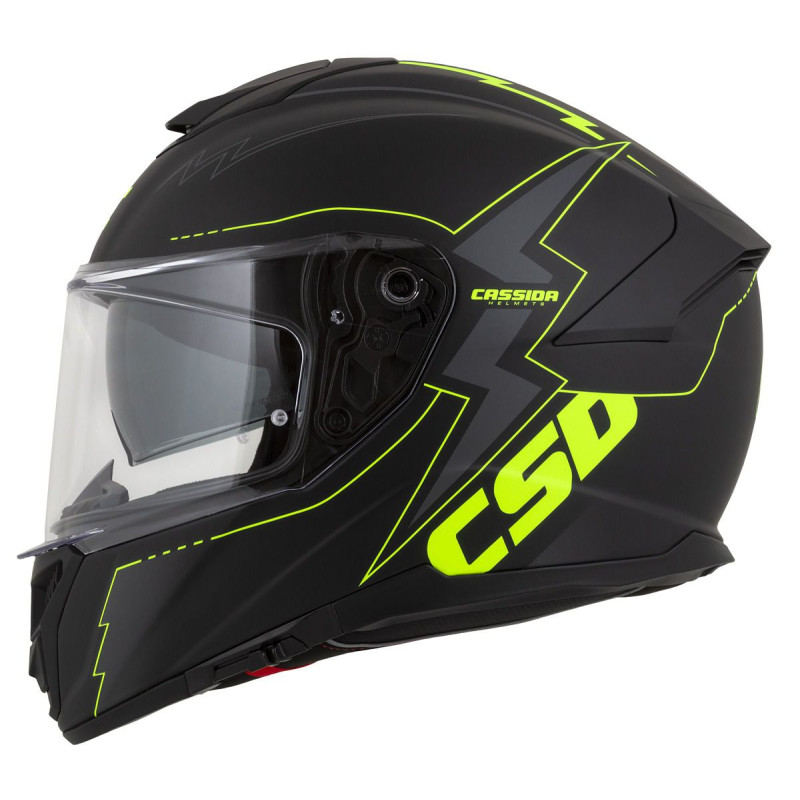
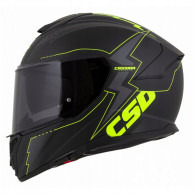
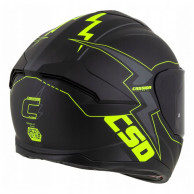
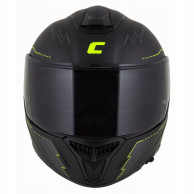
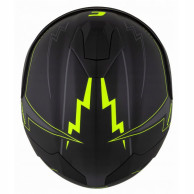
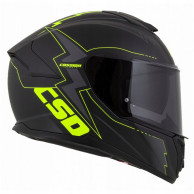
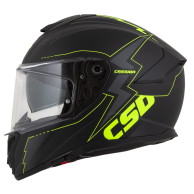
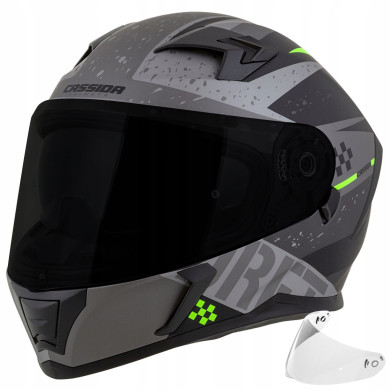
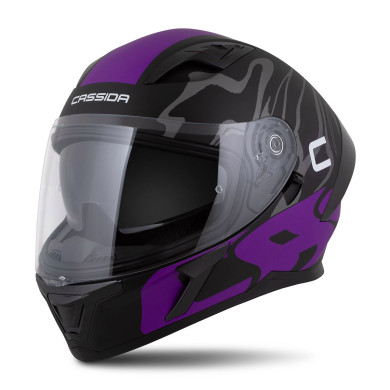
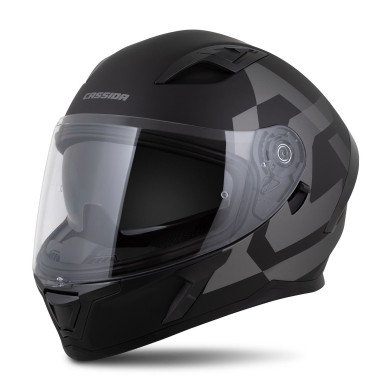
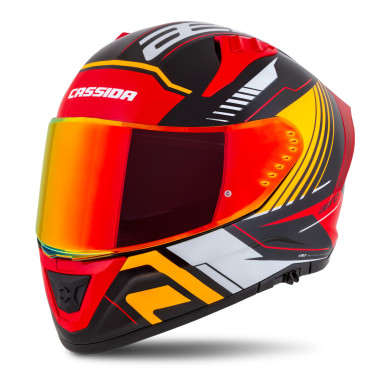
The Integral GT 2.1 is a sports-touring full-face helmet with a fibreglass shell, meeting upper-mid-range standards.
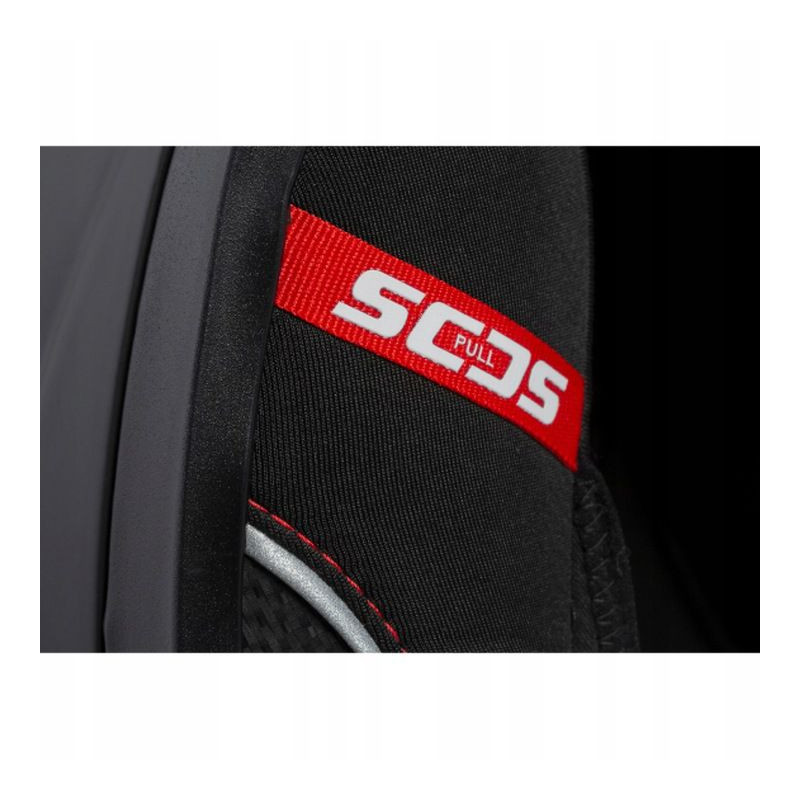
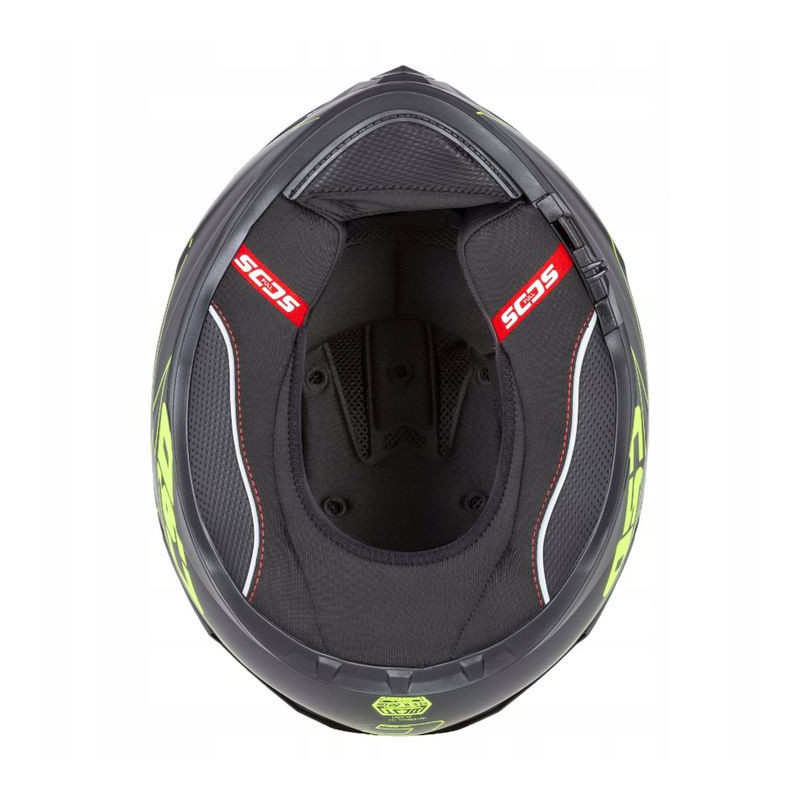
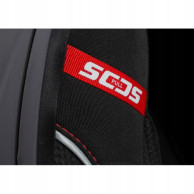
The updated 2.1 version has been redesigned and certified to ECE 22.06, now available in three shell sizes up to 3XL. Pre-equipped for intercom systems and featuring an innovative, comfortable interior with a collar that wraps around the head at the base of the helmet, it includes the Cassida Safety Opening System (Cassida SOS) removable cheek pads. The set includes a clear visor plus a dark or mirrored visor (depending on the specific colour combination).
Construction:
- Fibreglass shell with fibres bonded using epoxy putty, reinforced with composite fibres in areas exposed to mechanical stress, such as the strap mount.
- Sun visor
- Clear and mirrored visors with REVO optics included.
- The plexiglass included in the package features pins prepared for the Pinlock® Type 70 Max Vision® anti-fog film.
- Clear Pinlock® Type 70 Max Vision® anti-fog film or self-tinting Pinlock® Type 70 Max Vision® ProtecTINT anti-fog film are available as optional accessories.
- Includes a removable nose and chin deflector.
- Available in 3 shell sizes (XS - M / L - 2XL / 3XL).
- Inner core made of EPS polystyrene.
Safety:
- Cassida SOS safety opening system – removable cheek pad system.
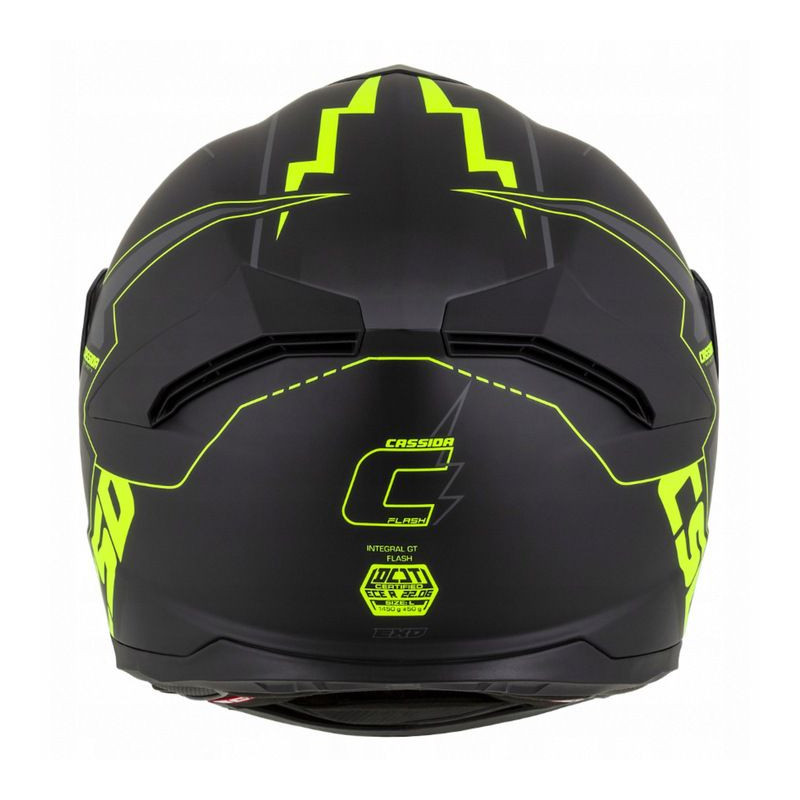
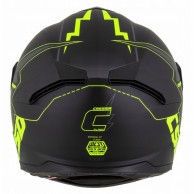
- Reflective elements on the sides and back of the helmet increase visibility in low-light conditions.
- ECE certification22.06.P
Key product features:
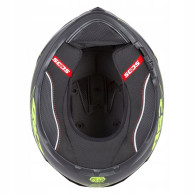
- Fully removable lining with a multi-material design to suit your needs for sweat absorption or increased comfort.
- Internal cut-outs for headphones and communication device cable routing.
- Safety strap fastened with a micrometric buckle.
- A large plexiglass visor with a wide field of view and increased height ensures sufficient visibility even when riding at a greater angle.
- Contoured cheek pads for use with prescription glasses and sunglasses.
- New visor mechanism with multi-position adjustment.
- 3 shell sizes and a size range up to 3XL.
- The set includes a fabric helmet cover and an additional foam pouch to protect against scratches.
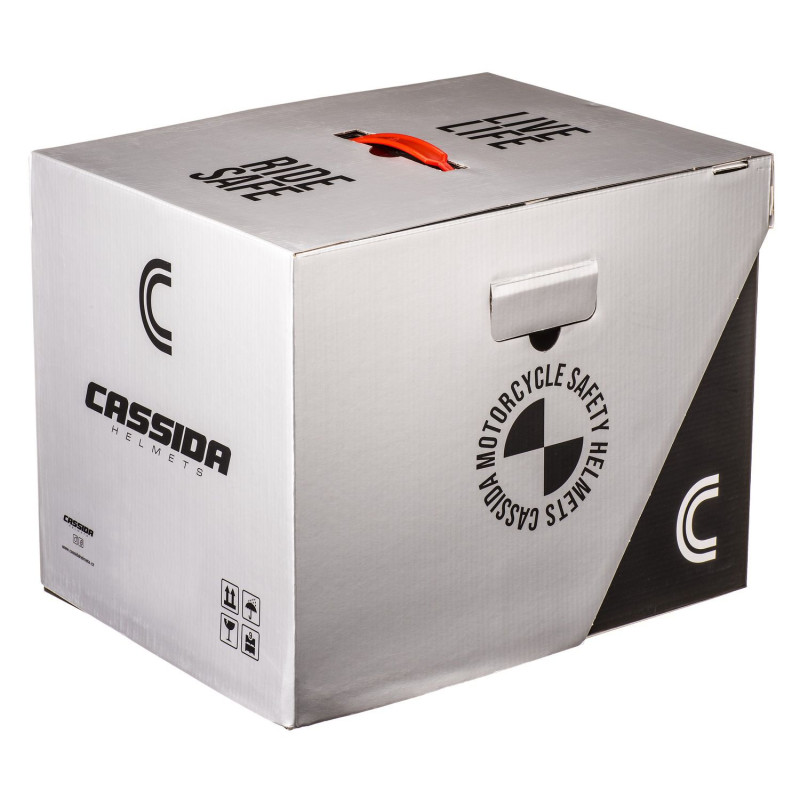
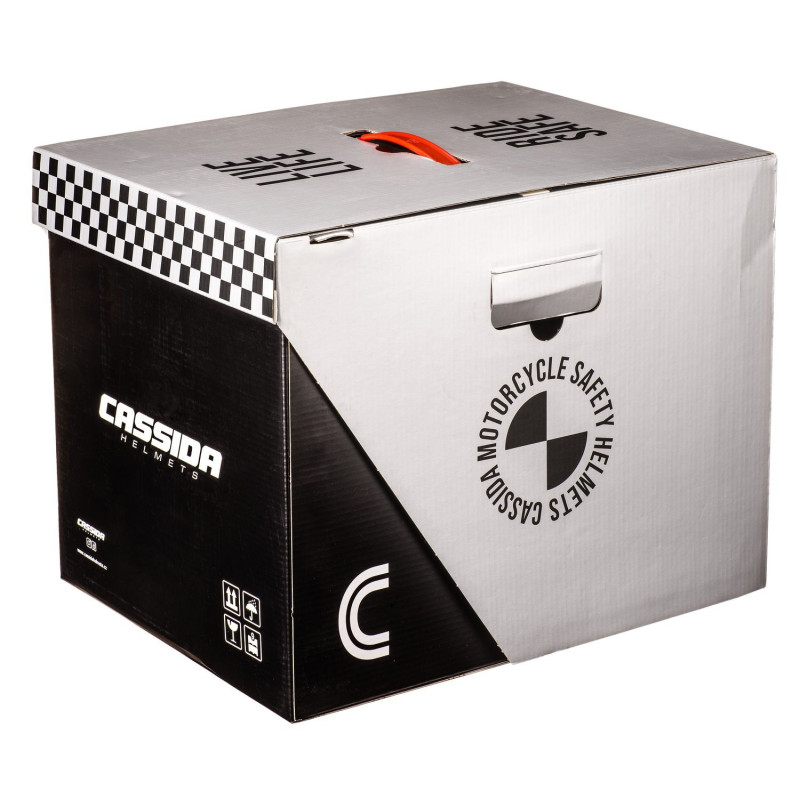
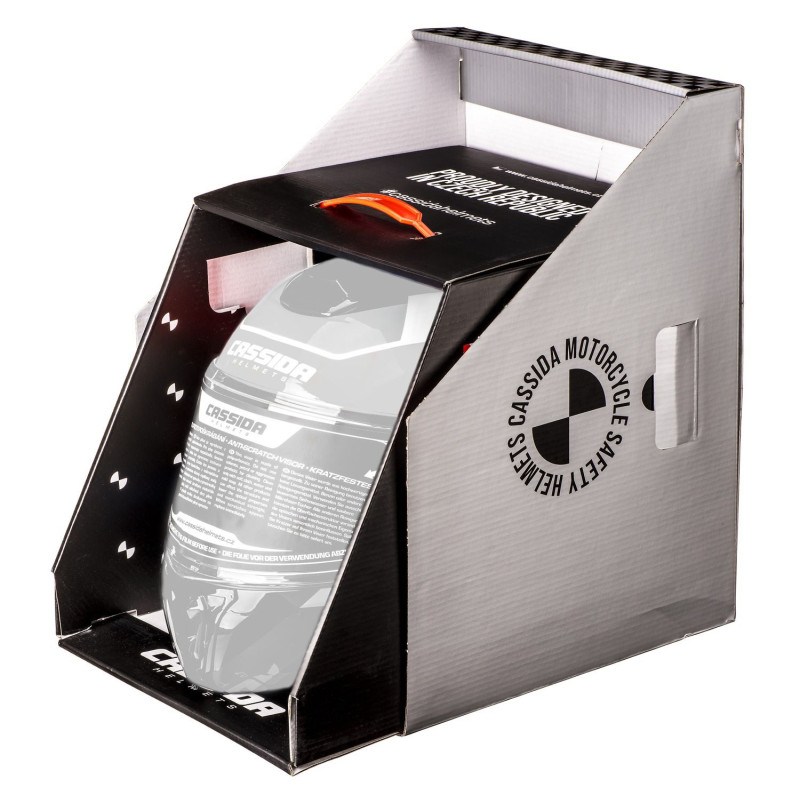
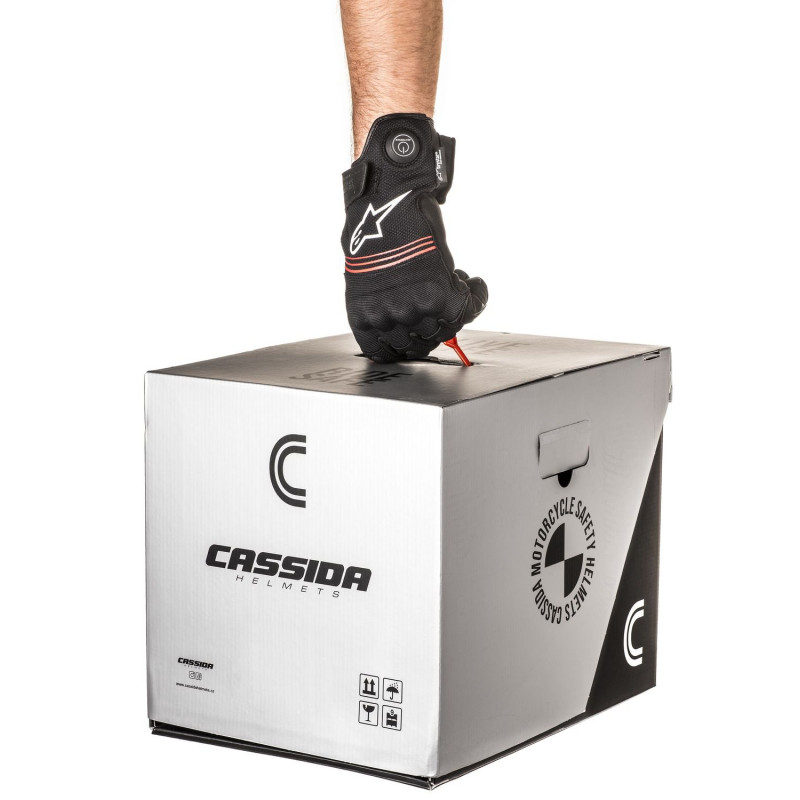
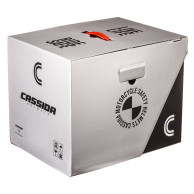
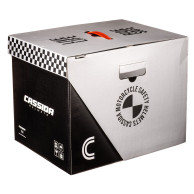
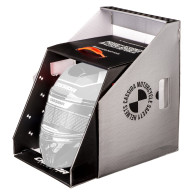
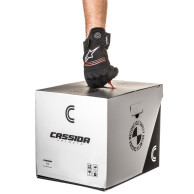
- Premium ‘CASSIDA’ HELMETS packaging in the form of a two-part box with a handle.
Wybór odpowiedniego rozmiaru kasku motocyklowego to kluczowy krok w zapewnieniu maksymalnego bezpieczeństwa i komfortu jazdy. Kask nie może być ani za luźny, ani za ciasny – musi idealnie przylegać do głowy. Jak dobrać właściwy rozmiar? Oto szczegółowy poradnik krok po kroku. Przygotowaliśmy dla Ciebie instrukcję w jaki sposób dobrać odpowiedni rozmiar kasku.
Krok 1: Zmierz obwód głowy
Przygotuj miarkę krawiecką – elastyczna taśma pozwoli dokładnie zmierzyć obwód głowy. Jeśli jej nie masz, użyj sznurka i zmierz jego długość linijką.
Umieść miarkę nad brwiami – owiń ją wokół głowy, tuż nad uszami i w najszerszym miejscu potylicy.
Odczytaj wynik – warto zmierzyć dwukrotnie, aby upewnić się, że pomiar jest dokładny.
Krok 2: Dopasuj wynik do tabeli rozmiarów
Porównaj swój obwód głowy z dostępnymi rozmiarami kasków z tabeli poniżej. Jeśli Twój pomiar znajduje się na granicy dwóch rozmiarów, zaleca się przymierzenie obu – w zależności od marki kasku mogą występować niewielkie różnice w dopasowaniu.
53-54 cm
55-56 cm
57-58 cm
59-60 cm
61-62 cm
63-64 cm
Krok 3: Przymierz kask i oceń dopasowanie
Załóż kask - powinien wejść na głowę z lekkim oporem, ale bez nadmiernego ściskania.
Sprawdź ucisk - kask powinien mocno przylegać do policzków i czoła, ale nie powodować bólu. Jeśli po kilku minutach odczuwasz dyskomfort, rozważ większy rozmiar.
Wykonaj test ruchu - delikatnie potrząśnij głową na boki i do góry-dół. Jeśli kask się przesuwa, jest za duży.
Sprawdź szczelność - włóż palce między kask a skórę. Jeśli masz na to zbyt dużo miejsca, rozważ mniejszy rozmiar.
Zostaw kask na 10-15 minut - jeśli po tym czasie nie czujesz ucisku i dyskomfortu, rozmiar jest prawidłowy.
Krok 4: Uwzględnij dopasowanie do użytkowania
Kaski sportowe i torowe są zwykle ciaśniejsze, aby zapewnić maksymalną stabilność przy dużych prędkościach.
Kaski turystyczne mogą być nieco luźniejsze dla większego komfortu na długich trasach.
Nowy kask zawsze lekko się układa - wkładki wewnętrzne delikatnie się dopasują po kilku jazdach, ale nie powinien być luźny od początku.
Comments (0)
No customer reviews for the moment.
Your review appreciation cannot be sent
Report comment
Are you sure that you want to report this comment?
Report sent
Your report has been submitted and will be considered by a moderator.
Your report cannot be sent
Write your review
Review sent
Your comment has been submitted and will be available once approved by a moderator.
SAFETY WARNINGS - MOTORCYCLE HELMET (GPSR EU 2023/988, ECE 22.06)
* Selection and fit: The helmet only protects when properly fitted and fastened. Measure your head circumference and choose the correct size. Always fasten and tighten the chin strap.
* Protection range: The helmet only protects the head within the limits of the ECE 22.06 standard for the given type (J/P/PJ).
Does not protect other parts of the body.
* After impact: Any strong impact or fall can damage the helmet, even without cracking. Replace the helmet immediately after such an incident.
* Modifications: Do not drill, paint with aggressive paints, or attach hard accessories without the manufacturer's consent. This may reduce protection and invalidate approvals.
* Accessories and Intercom: Install only manufacturer-approved accessories (intercom, visors, Pinlock). Unauthorized additions may impair the helmet's operation.
* Visor/Blind: Use a clear visor in dark conditions and in poor visibility. Replace a scratched visor.
* Antifog/Pinlock: Clean only with soft microfiber and lukewarm water - no alcohol or scrubbing.
* Ventilation and Defogging: In rainy/cold weather, adjust the ventilation according to the instructions. Don't drive with a fogged-up windshield - stop and clear it.
* Life Limitations: Do not use the helmet for activities for which it is not intended (off-road/track/bicycle), unless the manufacturer indicates otherwise.
* Glasses: Make sure the temples do not interfere with the fit of the helmet.
* Children: Make sure the child is the correct size and can hold their head steady.
* Temperature and Chemicals: Avoid >50°C (e.g., sun under a car windshield) and frost for long periods.
Keep away from fuels, oils, and solvents.
* Maintenance: Hand wash in lukewarm water with a mild detergent. Dry at room temperature, not on a radiator.
* Storage and transport: Store in a cool, dry place, away from UV radiation. Transport in a cover; do not overload the helmet.
* Lifespan: Recommended helmet replacement every 5-7 years from first use, even without an accident (or according to the manufacturer's recommendations).
* Visibility: Consider reflectors or lighter paint for better visibility.
* Noise: The helmet does not completely eliminate noise. Use earplugs to protect your hearing.
* Blind spots: Be aware of restricted field of vision. Check your blind spots.
* Speed and stability: At high speeds, keep your visor closed and your helmet properly fastened.
* Use in rain/cold conditions: Wet straps may slip more - check the tightness after starting.
* Defects/complaints: In the event of cracks, looseness, or mechanical failures - discontinue use and contact service.
* Instructions and labels: Read the instructions. Do not remove homologation labels and serial numbers - they may be needed for service or safety recalls.
Only users who already bought the product can add review.
Sort By
No customer reviews for the moment.
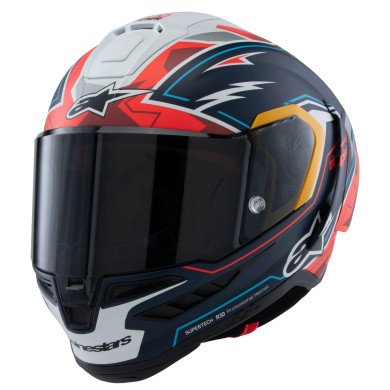
- ECE approval22.06.P
- Fibreglass shell with fibres bonded using epoxy putty, reinforced with composite fibres in areas exposed to mechanical stress, such as the strap bracket.